The House of Representatives has set up an ad hoc committee to investigate and recommend regulatory measures for cryptocurrency trading and Point-of-Sale (PoS) operations across the country.
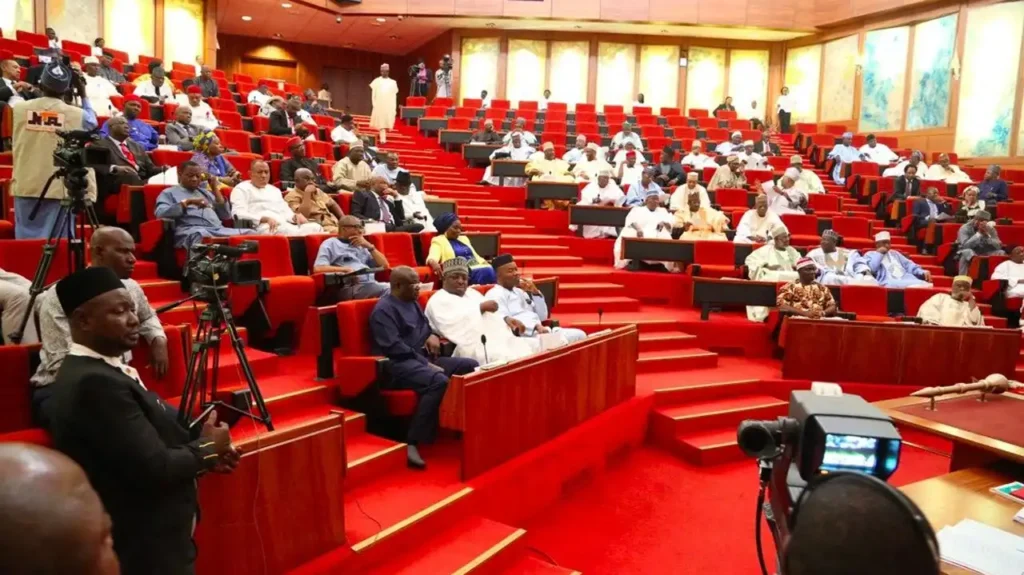
The resolution was reached during Tuesday’s plenary session following a motion of urgent public importance raised by lawmakers citing the increasing use of digital financial platforms for fraudulent activities.
Speaker of the House, Tajudeen Abbas, announced the formation of the committee, stating that its mandate would include evaluating the operations of Virtual Asset Service Providers (VASPs), as well as the regulation, registration, and activities of PoS operators nationwide.
According to Abbas, the absence of a clear legal framework for digital financial transactions has created vulnerabilities in the system, exposing Nigerians to financial risks.
“The House is concerned about the alarming increase in cybercrime and financial frauds facilitated through unregulated platforms, including PoS terminals and crypto exchanges,” he said.
The committee is expected to engage stakeholders such as the Central Bank of Nigeria (CBN), fintech companies, law enforcement agencies, cybersecurity experts, and consumer protection bodies.
Its aim is to develop a legislative framework that enhances transparency, accountability, and security in digital financial operations.
This move comes amid rising concerns over the lack of oversight in PoS operations. In 2024, the House had summoned the CBN Governor and commercial bank executives over the unregulated spread of PoS terminals and the failure to properly document operators, which lawmakers say has made it difficult to trace fraudulent transactions.
The new investigation is intended to build on those concerns, expanding the scope to include cryptocurrency activities, which have also grown significantly in Nigeria in recent years despite previous restrictions by the CBN.
Also Read: Portable Breaks Silence on Viral Airport Video, Blames Fake Pranksters
Lawmakers say regulating these sectors is necessary to protect users, reduce criminal exploitation, and support the safe growth of Nigeria’s digital economy.
The committee’s report is expected to guide the drafting of new laws or amendments to existing ones regarding digital financial services in Nigeria.