Nigeria’s Senate has approved President Bola Tinubu’s request to secure $6 billion in fresh external loans, in a move aimed at addressing fiscal shortfalls and financing critical infrastructure projects.
The approval came shortly after the President transmitted two separate loan requests to the upper chamber, underscoring the urgency of the Federal Government’s funding needs.
Breakdown of the Loan Request
According to the letters read on the Senate floor by Senate President Godswill Akpabio, the borrowing plan includes:
- $5 billion from Abu Dhabi Bank to support budget deficit financing and service existing debt obligations.
- $1 billion facility from UK Export Finance, to be accessed through Citibank in London, targeted at upgrading Nigeria’s port infrastructure.
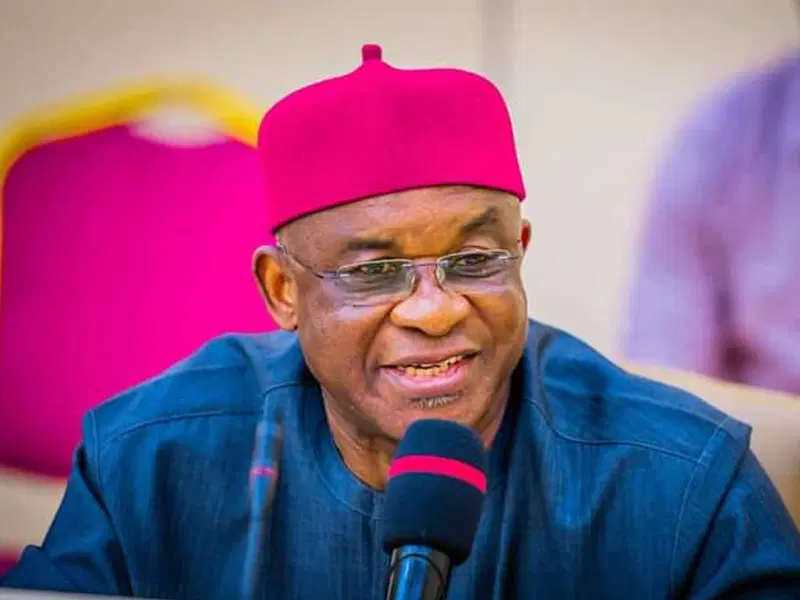
The requests were swiftly referred to the Senate Committee on Local and Foreign Debts, chaired by Aliyu Wamakko, which presented its report leading to the approval within hours.
Focus on Port Rehabilitation
President Tinubu said the $1 billion facility would be deployed to rehabilitate key maritime assets, including the Lagos Port Complex and Tin Can Island Port.
He noted that the projects are designed to tackle longstanding inefficiencies, improve safety standards, and boost Nigeria’s capacity for non-oil trade—positioning the country as a regional logistics hub.
Rising Borrowing Amid Fiscal Pressures
The latest approval highlights the government’s continued reliance on borrowing to bridge widening budget deficits.
Earlier, the National Assembly had approved a request by the administration to raise N1.15 trillion from the domestic market to finance the 2025 budget shortfall.
With total expenditure in the 2025 Appropriation Act now pegged at N59.99 trillion, analysts say external borrowing remains a key strategy for funding large-scale infrastructure and sustaining economic reforms.
What It Means
The Senate’s swift endorsement signals strong legislative backing for the Executive’s financing strategy, even as concerns persist over Nigeria’s rising debt profile.
If effectively implemented, the port rehabilitation projects could significantly improve trade efficiency, reduce congestion, and enhance Nigeria’s competitiveness in regional and global markets.