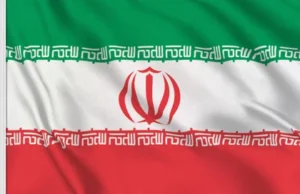
Iran has officially moved to allow women to obtain motorcycle riding licences, ending years of legal ambiguity that effectively barred them from legally riding two-wheeled vehicles, according to local media reports on Wednesday.
Although Iranian law previously did not explicitly ban women from riding motorcycles or scooters, authorities had long refused to issue licences, leaving female riders in a legal grey area. As a result, women involved in road accidents were often held legally responsible, even when they were not at fault.
The shift follows the signing of a new resolution on Tuesday by First Vice President Mohammad Reza Aref, aimed at clarifying the country’s traffic regulations. The measure, which received cabinet approval in late January, was reported by Iran’s Ilna news agency.
Under the resolution, traffic police are now required to provide practical training for female applicants, conduct licensing examinations under direct police supervision, and formally issue motorcycle driving licences to women.
The decision comes against the backdrop of ongoing social and political tensions in Iran. Over the past year, the country has witnessed widespread protests initially driven by economic grievances, which later evolved into broader anti-government demonstrations. Authorities have acknowledged that more than 3,000 people died during the unrest, maintaining that the majority were security personnel and bystanders.
Since Iran’s 1979 Islamic Revolution, women have faced strict social regulations, including mandatory dress codes that have posed challenges for female motorcycle riders. Women are required to cover their hair with a headscarf in public and wear modest, loose-fitting clothing—rules that many have increasingly defied in recent years.
The number of women riding motorcycles has risen sharply, particularly following the 2022 death in custody of Mahsa Amini, who was detained for allegedly violating Iran’s dress code. Her death sparked nationwide protests led by women demanding greater personal freedoms and legal rights.
The formalisation of motorcycle licensing for women is seen as a significant step in addressing longstanding regulatory inconsistencies, even as broader debates over women’s rights and social freedoms continue across the country.
Source: AFP