
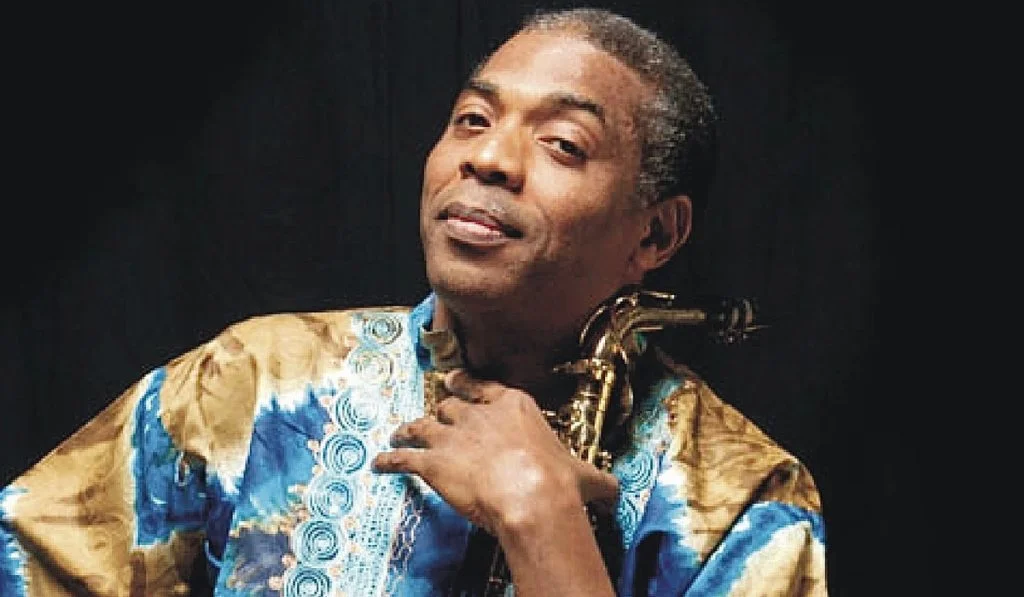
Nigerian music legend Femi Kuti has shed light on the unusual and often challenging childhood he experienced under his father, the late Afrobeat pioneer Fela Anikulapo-Kuti.
Speaking at the Ake Arts and Books Festival in Lagos, Femi explained that growing up in the Kuti household meant learning without guidance and discovering life through instinct and observation.
According to him, the home he grew up in had no formal teaching, no structured lessons, and no typical father-to-son moments. Yet, Fela expected brilliance—without excuses.
“My father believed I should simply know things,” Femi said, recalling how he was pressured to read and understand subjects he had never actually been taught. “How do you read if nobody teaches you? But he would say, ‘You should know.’”
A Childhood Built on Observation, Not Instruction
Femi described his early years as a daily exercise in watching, absorbing, and figuring things out for himself. He said the environment around Fela demanded exceptional performance from everyone—there was no room for hesitation or failure.
He learned more from witnessing his father navigate danger, constant police raids, and political persecution than from any classroom. He often bombarded Fela with questions that most children never had to consider.
“I would ask him, ‘Are you not afraid to die?’ and he would give me his answer,” Femi said, noting how those conversations shaped his worldview far more deeply than textbooks ever could.
Confusing Praise, No Anger — And a Deep Desire to Stand Alone
Interestingly, poor grades never attracted anger from Fela. Instead, Femi said his father often responded with disarming indifference or confusing praise, making him wonder what was truly expected of him as a child in such an extraordinary household.
Also Read: No Deals With Terrorists: Presidency Speaks on Kebbi Abductions
These contradictions influenced his decision to eventually step out of Fela’s shadow. Leaving his father’s band, he said, became necessary for him to build his own identity and to prove—to himself most of all—that he was not destined to be a replica.
Finding His Voice: “I Was Born to Be Femi, Not Fela”
Femi recalled that when he released his first album, Fela dismissed it outright. But rather than discourage him, the rejection strengthened his resolve to build a career rooted in his own sound, his own message, and his own life experiences.
“If God wanted me to be Fela, I would have been Fela. I had to be Femi Kuti,” he said.
“I worked hard, I grew, and I carved my own path.”