UAE Exits OPEC, OPEC+ in Major Shake-Up of Global Oil Market
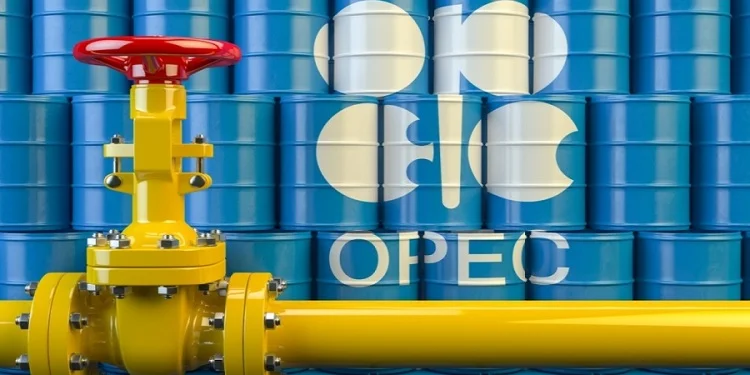
The United Arab Emirates has announced its decision to withdraw from both the Organization of the Petroleum Exporting Countries (OPEC) and the OPEC+, in a move set to reshape global oil dynamics amid rising geopolitical tensions.
In a statement released Tuesday by the UAE Ministry of Energy and Infrastructure, the country confirmed that its exit will take effect from May 1, 2026, following a comprehensive review of its production strategy and long-term energy outlook.
The ministry said the decision reflects the UAE’s evolving economic priorities and its ambition to adopt a more flexible approach to oil production, aligned with its broader national development strategy.
“This step reflects our long-term vision and commitment to a responsible and forward-looking role in global energy markets,” the statement said, noting increased investment in domestic energy capacity and diversification across the energy value chain.
Geopolitical Tensions Add Urgency
The announcement comes against the backdrop of escalating tensions in the Middle East, particularly involving Iran, which have disrupted supply routes and heightened volatility in global oil markets.
Attention has also focused on the Strait of Hormuz—a critical artery for global crude supply—where recent security threats have raised concerns over potential disruptions and price spikes.
While acknowledging near-term uncertainties, the UAE maintained that global energy demand remains strong over the medium to long term.
End of a Decades-Long Membership
The exit marks the end of nearly six decades of UAE participation in OPEC, dating back to 1967. Over the years, the country has played a key role in shaping production policies alongside major producers such as Saudi Arabia.
Despite its departure, the UAE expressed appreciation for OPEC and its allies, stating it would continue to support global energy stability and supply markets responsibly.
Implications for Global and African Markets
Analysts say the move could weaken OPEC’s cohesion and complicate efforts to manage oil supply, especially at a time when geopolitical risks are already straining the global energy system. The alliance—expanded in 2016 to include major producers like Russia—has been central to stabilising oil prices in recent years.
For oil-dependent economies such as Nigeria, the development presents a mixed outlook. While tighter supply could drive higher crude prices and boost revenues, it may also increase costs for refined products and add pressure to domestic economies.
The UAE emphasised that its withdrawal does not signal a retreat from global cooperation but rather a shift toward greater independence in managing output. It also reaffirmed plans to invest in oil, gas, renewables, and low-carbon technologies as part of its long-term energy transition strategy.
As global markets react, attention will turn to how OPEC responds—and whether the alliance can maintain unity in an increasingly complex and volatile energy landscape.