
Friday, 27 MarchWeather Icon5.59°C

March 27, 2026

Education, Feature, News, Photo, Politics, Trending

Tension, Chaos Mar APC Convention as Journalists Clash Over Accreditation Tags

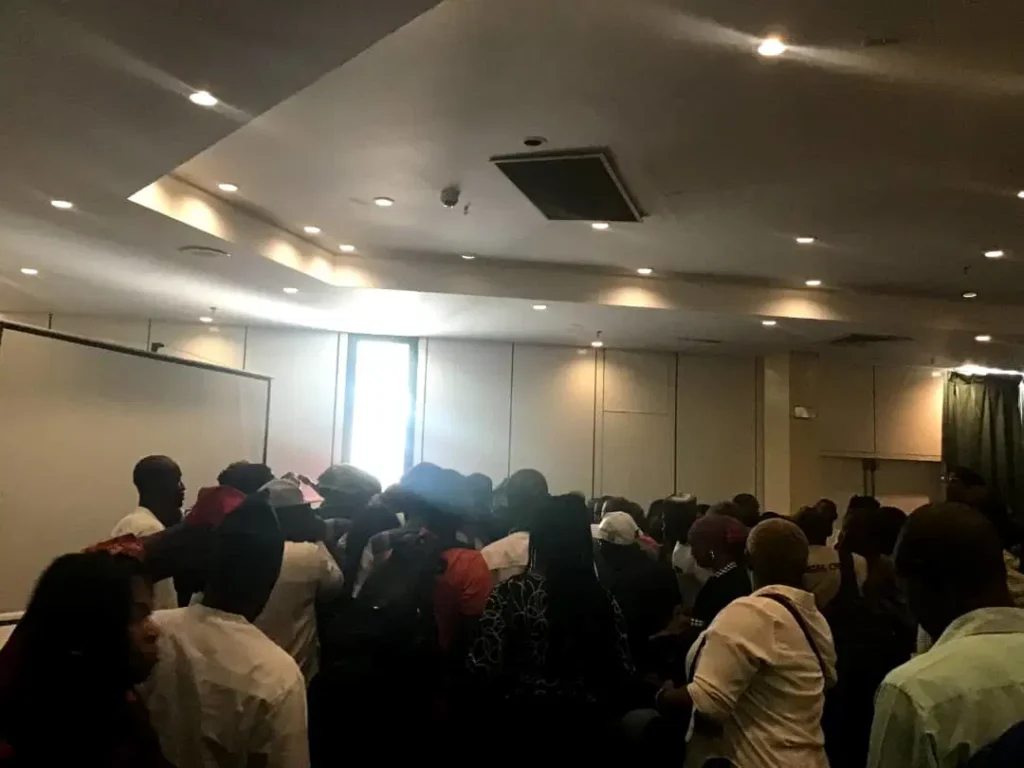
Tension erupted in Abuja on Friday as journalists scrambled for accreditation tags ahead of the national convention of the All Progressives Congress (APC), with chaotic scenes reported at the venue.

The incident occurred at the Kano Hall of the Transcorp Hilton Abuja, where over 100 journalists — both accredited and non-accredited — converged in a desperate bid to secure access to cover the high-profile political gathering.

Scarcity of Tags Sparks Outrage

Trouble reportedly began when officials in charge of accreditation announced that only a limited number of tags were available.

According to sources, most of the tags allocated for APC correspondents had already been distributed, leaving many journalists stranded and unable to gain entry.

The development triggered widespread frustration, with media practitioners accusing organisers of poor planning and lack of transparency in the accreditation process.

Heated Exchanges, Security Intervention

Eyewitnesses said the situation quickly escalated into heated arguments, with journalists jostling and pushing to secure the remaining tags amid fears of being shut out of the event.

As tensions rose, operatives of the Nigeria Police Force were deployed to the scene to restore order and prevent further escalation.

Their presence helped to calm the situation, though the atmosphere remained tense.

Calls for Better Organisation

The incident has sparked criticism from affected journalists, many of whom are calling on APC organisers to improve coordination and ensure a fair, transparent accreditation process at future events.

As of the time of filing this report, APC officials had yet to release an official statement addressing the disruption.

The convention, a key political event, is expected to draw party leaders, delegates, and stakeholders from across the country.
Business, Construction, Dental, Feature, Lifestyle, News, Trending

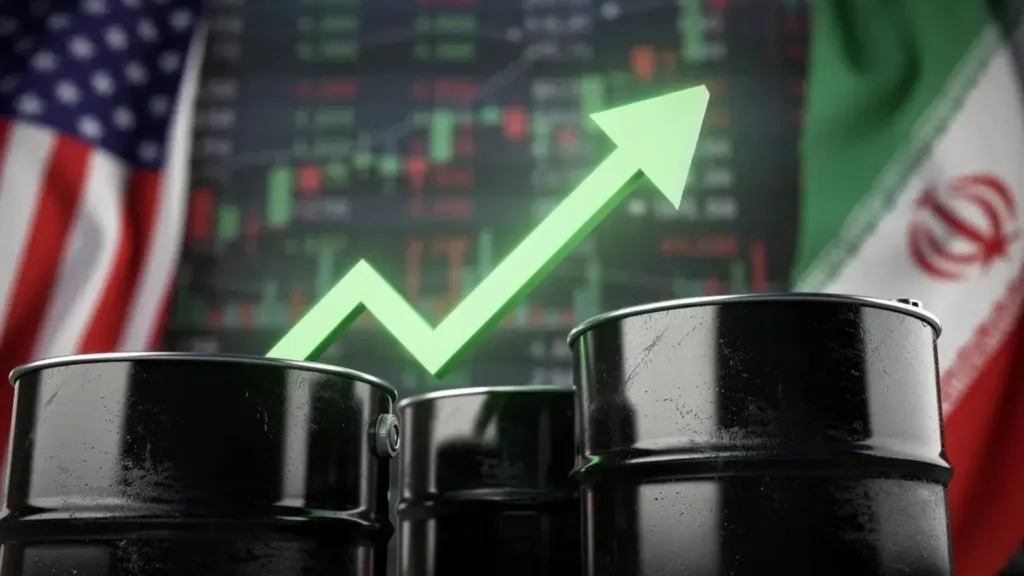
Oil Surges to $108 as Iran Rejects US Peace Plan, Middle East Tensions Deepen

Global oil prices climbed sharply to $108 per barrel on Thursday after Iran rejected a US-backed peace proposal aimed at ending the ongoing conflict involving Israel, raising fresh concerns over supply disruptions.

The nearly 6 per cent spike in crude prices followed Tehran’s dismissal of a 15-point plan put forward by Donald Trump, which Iranian officials described as “one-sided” and skewed in favour of the United States and Israel.

Tensions Rattle Global Energy Markets

The latest surge reverses a brief dip earlier in the week, when oil prices fell from $103 to $98 per barrel after Washington hinted at possible negotiations with Iran.

However, hopes of de-escalation faded quickly after Tehran rejected the proposal, fuelling uncertainty in global energy markets already sensitive to developments in the Middle East.

A senior Iranian official said the proposal failed to meet “minimum requirements” for meaningful dialogue but noted that diplomacy had not been completely ruled out.

Strait of Hormuz at Centre of Dispute

A key sticking point remains Iran’s insistence on maintaining control over the strategic Strait of Hormuz — a critical global oil shipping route.

Tehran described its authority over the waterway as a “natural and legal right,” pushing back against US demands that include curbing its nuclear programme, limiting missile capabilities, and relinquishing influence over the strait.

War Pushes Fuel Prices Higher in Nigeria

The ripple effects of the conflict are already being felt in Nigeria, where petrol prices remain elevated.

NNPC Limited is currently selling fuel at about ₦1,261 per litre in Abuja, while private marketers are dispensing at around ₦1,371 per litre — significantly higher than pre-crisis levels of ₦860 to ₦880 per litre.

Diplomatic Standoff Intensifies

Despite backchannel communications, Iran has expressed reluctance to engage with key US negotiators, reportedly rejecting talks involving envoy Steve Witkoff and Jared Kushner.

Instead, Tehran is said to favour engagement with Vice President J.D. Vance, viewed as a more cautious voice on US military involvement in the region.

Meanwhile, Trump has maintained a hardline stance, urging Iran to “get serious” about negotiations while insisting he is not desperate for a deal.

Rising Risks for Global Economy

Analysts warn that prolonged tensions could further disrupt oil supply chains, particularly if instability affects the Strait of Hormuz, through which a significant portion of the world’s oil passes.

With both sides holding firm positions and military actions continuing, fears are mounting that the crisis could escalate further — keeping oil prices volatile and adding pressure to already strained global economies.

Scroll to Top
site logo

Gym

Join our newsletter channel