10 Major Key Points From President Tinubu’s 2026 Budget Presentation Speech
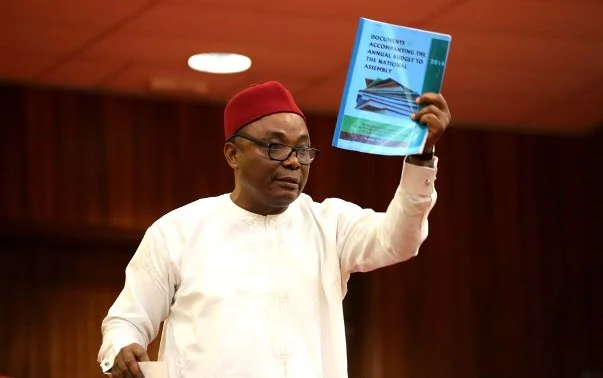
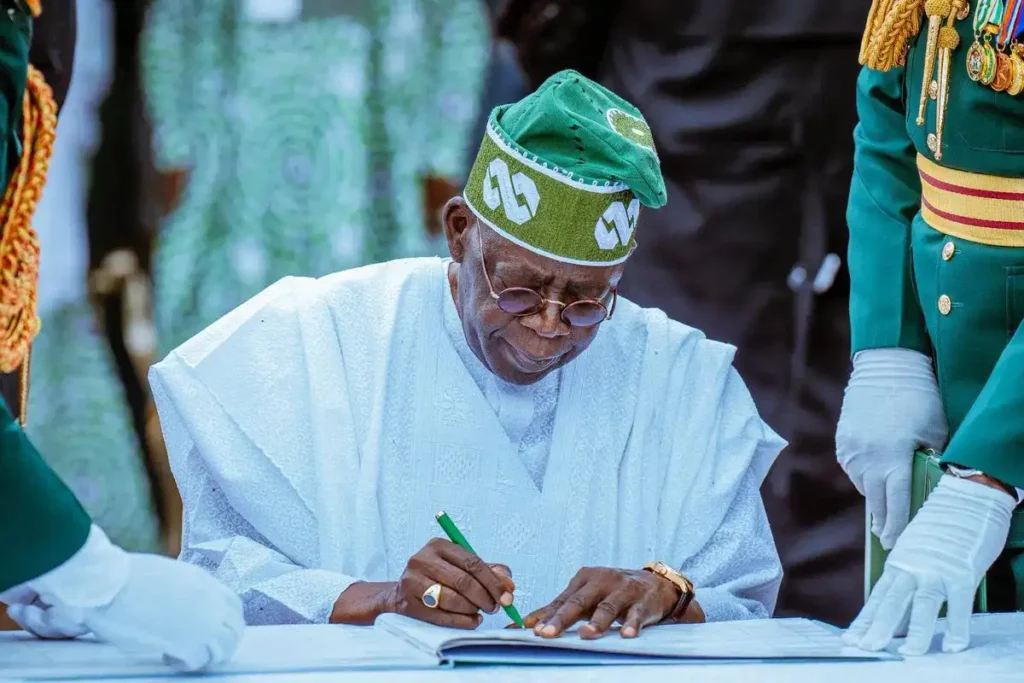
President Bola Ahmed Tinubu on Friday presented Nigeria’s ₦58.18 trillion 2026 Appropriation Bill to a joint session of the National Assembly, declaring that the country is beginning to move beyond the harshest phase of its economic reset and is now entering a period focused on stability, resilience and inclusive growth.
Addressing lawmakers at the National Assembly Complex in Abuja, Tinubu said the 2026 spending plan—tagged the “Budget of Consolidation, Renewed Resilience and Shared Prosperity”—is designed to secure recent macroeconomic improvements and convert them into tangible benefits for citizens through jobs, higher incomes and better public services.
From Painful Adjustment To Economic Rebuilding
The President admitted that the last two and a half years of reforms had come at a steep cost to households and businesses, but he insisted the sacrifices were necessary and are now yielding results.
According to him, the 2026 budget represents a critical shift from economic survival to sustained growth.
“Reform is never painless,” Tinubu said, noting that tough policy decisions were unavoidable if Nigeria was to escape long-standing structural weaknesses.
He maintained that early gains show the country is gradually turning a corner.
Signs Of Recovery Begin To Emerge
Tinubu pointed to improving economic indicators as evidence that the reform agenda is gaining traction.
Nigeria’s economy, he said, recorded 3.98 per cent growth in the third quarter of 2025, compared to 3.86 per cent in 2024.
Inflation has also eased, falling for eight consecutive months to 14.45 per cent in November 2025, while external reserves climbed to a seven-year high of about $47 billion, enough to cover more than ten months of imports.
“These outcomes did not happen by chance,” the President stressed. “They are the product of difficult but deliberate policy choices.”
Budget Size, Revenue And Deficit
The 2026 budget proposes ₦34.33 trillion in total revenue against ₦58.18 trillion in expenditure, leaving a projected deficit of ₦23.85 trillion, equivalent to 4.28 per cent of GDP.
Debt servicing is estimated at ₦15.52 trillion, while ₦26.08 trillion is earmarked for capital projects.
Tinubu said the figures reflect a balance between ambition and realism, adding that fiscal sustainability remains a key priority of his administration.
Promise Of Tighter Budget Discipline
Acknowledging weaknesses in budget implementation in 2025—when only 17.7 per cent of the capital budget had been released by the third quarter—the President vowed stricter discipline in 2026.
He said finance and budget officials have been instructed to enforce timelines, eliminate delays and ensure that funds are used strictly as approved.
“2026 will mark a turning point in how we execute our budgets,” Tinubu assured lawmakers.
Revenue Push Through Taxes And Technology
To strengthen government finances, the President said revenue generation will be driven by newly enacted national tax laws, reforms in the oil and gas sector, and full digitisation of revenue collection systems. Government-owned enterprises will face tougher scrutiny, with their performance directly linked to revenue targets.
“Nigeria can no longer tolerate leakages, inefficiency or underperformance,” Tinubu warned.
Four Pillars Of The 2026 Budget
According to the President, the budget is anchored on four strategic objectives: consolidating macroeconomic stability, improving the business and investment environment, promoting job-rich growth to reduce poverty, and strengthening human capital while protecting the most vulnerable.
“We will spend with purpose and manage debt with discipline,” he said.
Security Takes Centre Stage
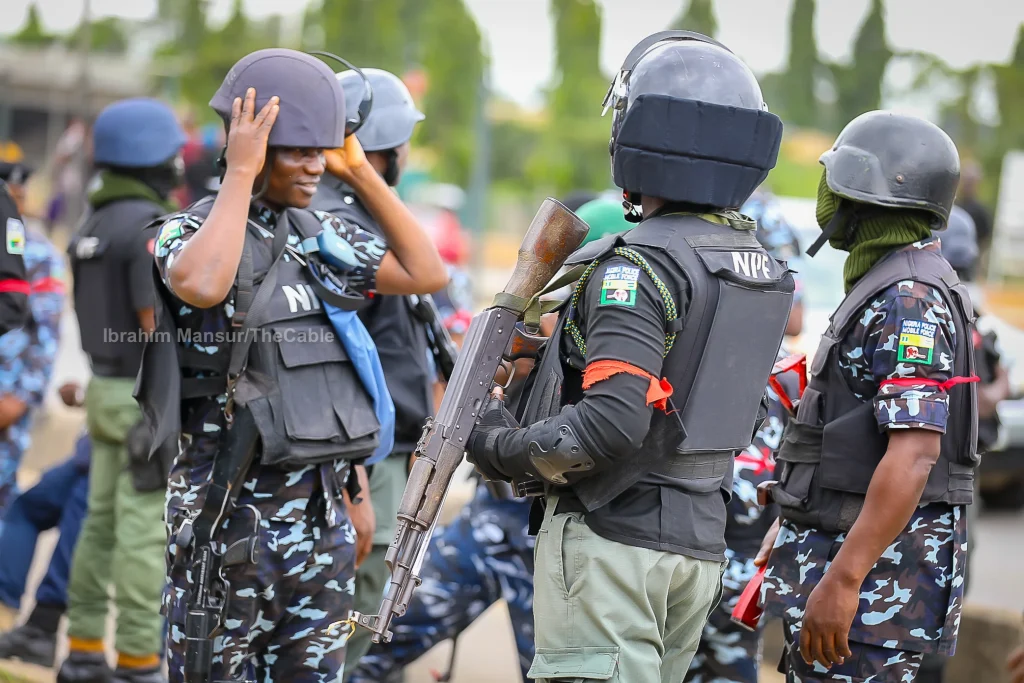
National security received the largest sectoral allocation, with ₦5.41 trillion set aside.
Tinubu also unveiled a new counterterrorism doctrine, declaring that any armed group operating outside state authority will be treated as a terrorist organisation.
Bandits, kidnappers, militias, cult groups and foreign mercenaries will now fall under a unified security response.
Heavy Investment In Social Sectors
Education, health and infrastructure feature prominently in the spending plan. Education is allocated ₦3.52 trillion, health ₦2.48 trillion—about six per cent of the total budget—while infrastructure receives ₦3.56 trillion.
Tinubu revealed that more than 788,000 students have already benefited from the Education Loan Fund, and that Nigeria has secured $500 million in U.S. support for health programmes.
Agriculture And Food Security In Focus
Food security remains a top priority. The President said the 2026 budget will support mechanisation, irrigation, climate-smart agriculture, storage facilities and agro-processing value chains.
Also Read: Wilfred Ndidi: All You Need to Know About the New Super Eagles Captain
He disclosed that the Bank of Agriculture plans to cultivate one million hectares of farmland, generate hundreds of thousands of jobs and expand agricultural exports.
Delivery Over Declarations
Concluding his address, Tinubu emphasised that the true measure of the 2026 budget will be its implementation, not its announcement.
He pledged stronger revenue mobilisation, smarter spending with visible impact, and tighter accountability across government.
“The most important budget is not the one we present,” the President said. “It is the one we deliver.”