
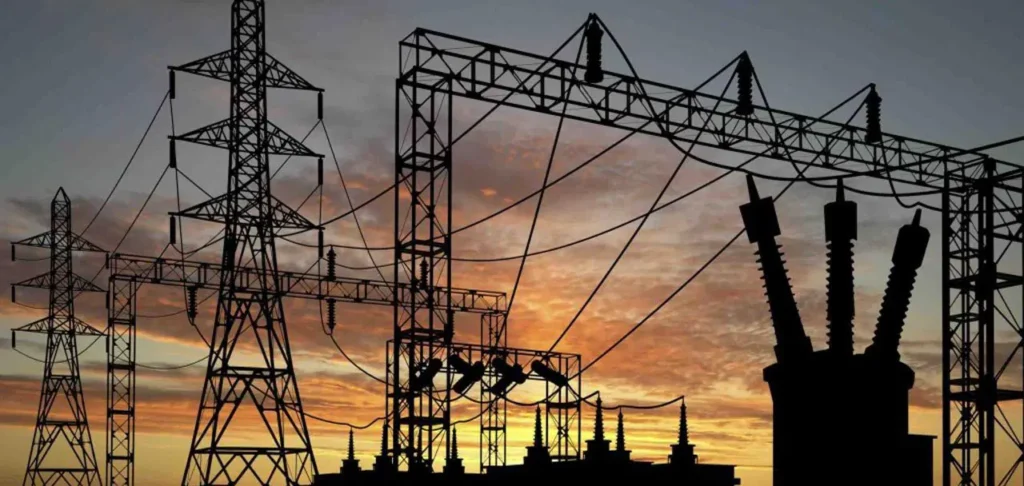
Power Crisis Deepens as DisCos Post N2.4trn Losses, Blackouts Worsen Nationwide
Nigeria’s electricity crisis is worsening as power distribution companies (DisCos) recorded a staggering N2.349 trillion in losses over two years, intensifying financial strain across the sector and triggering more frequent blackouts nationwide.
Industry data from the Nigerian Electricity Regulatory Commission shows that losses rose sharply from N1.015 trillion in 2024 to N1.334 trillion in 2025, driven largely by billing inefficiencies and weak revenue collection systems.
Mounting Debt Threatens Sector Stability
The growing losses have compounded an already fragile power sector burdened by an estimated N6 trillion debt as of December 2025, pushing the Nigerian Electricity Supply Industry (NESI) closer to a potential systemic breakdown.
Much of the crisis stems from persistent financial leakages at the distribution level, which continue to undermine gains in power generation and transmission.
In 2025 alone:
- N649.87 billion was lost due to billing inefficiencies
- N684.28 billion was lost to poor revenue collection
Power Supply Drops, Blackouts Return
The financial strain is now directly impacting electricity supply, with national grid output falling from an average of 4,600MW in 2025 to below 3,500MW in early 2026.
Generation companies (GenCos), owed trillions of naira, are struggling to maintain operations as gas suppliers cut back deliveries over unpaid debts.
The result is a resurgence of load shedding and prolonged outages across the country:
- Many areas now receive less than 12 hours of electricity daily
- Some communities report as little as 4–6 hours
- Parts of Abuja, including Karu and Lokogoma, reportedly get just 3 hours of power daily
Consumers Decry Billing Practices
Frustration among consumers is rising, with many accusing DisCos of non-transparent billing practices, particularly estimated billing.
Chairman of the Electricity Consumers Association of Nigeria, Chijoke James, described the system as exploitative, noting that customers are often billed for electricity they do not receive.
He also alleged cases of extortion by some field staff, further eroding public trust in the system.
Presidency’s Grid Exit Sparks Debate
In a move that underscores declining confidence in the national grid, the Presidential Villa in Abuja is set to exit the grid following the completion of a N17 billion solar hybrid power project aimed at ensuring uninterrupted electricity supply.
However, the Acting Managing Director of the Abuja Electricity Distribution Company (AEDC), Chijoke Okwuokenye, criticised the decision, arguing that improved investment in infrastructure could have guaranteed reliable power without abandoning the grid.
Experts Call for Mass Metering
Energy experts say the root of the crisis lies in inadequate metering and poor transparency across the value chain.
Power sector consultant Bode Fadipe stressed that estimated billing remains a major flaw, noting that accurate measurement is essential for fair pricing and improved revenue collection.
He called for end-to-end metering—from generation to distribution—as a long-term solution to eliminate inefficiencies and restore confidence in the sector.
Outlook Remains Uncertain
With rising operational costs, mounting debts, and declining generation capacity, analysts warn that electricity tariffs may soon increase as operators struggle to stay afloat.
Unless urgent reforms are implemented, Nigeria’s power sector risks deeper instability—leaving households and businesses to bear the brunt of an increasingly unreliable electricity supply.